Mini split systems are growing in popularity across Baton Rouge, and for good reason. They offer precise zone control, excellent humidity management, and high efficiency without the need for ductwork. But before you decide whether one is right for your home, you need a clear picture of what the investment actually looks like.
This guide breaks down ductless mini split costs by zone count and system type, explains what drives the price up or down, and helps you figure out whether a mini split is the right financial decision for your specific situation.
Mini Split Installation Cost Overview
Mini split pricing depends primarily on how many zones you need. Here is what most Baton Rouge homeowners pay for a complete installed system:
| System Type | Typical Installed Cost |
|---|---|
| Single-zone (1 outdoor, 1 indoor unit) | $3,000 to $5,500 |
| Two-zone system | $5,500 to $9,000 |
| Three-zone system | $8,000 to $12,000 |
| Four-zone system | $10,500 to $15,000+ |
These prices include the outdoor condenser unit, all indoor heads, refrigerant line sets, electrical connections, and installation labor. Permit fees and any required electrical panel upgrades are additional.
What Factors Affect the Cost of a Mini Split?
Number of Zones
This is the biggest driver of total cost. Each zone adds an indoor head, additional refrigerant line set, and labor time. A two-zone system is not simply twice the cost of a single-zone system because the outdoor unit and its installation are shared, but indoor unit and line set costs do add up with each zone.
For homeowners trying to condition an entire home, calculating cost per zone is important. A four-zone mini split covering four bedrooms and a living room in a 2,000-square-foot home can be cost-competitive with a full central AC system replacement, especially when duct losses and ductwork repair costs are factored in.
Capacity of the System
Mini splits are sized in BTUs or tons of cooling capacity. A small bedroom might need a 9,000 BTU (0.75-ton) unit, while a large open living area might need 18,000 BTU (1.5 tons) or more. Larger capacity units cost more, both for the equipment and in some cases for the electrical circuit required to power them.
Proper sizing requires a load calculation based on the room’s square footage, ceiling height, insulation, window area, and sun exposure. Oversizing a mini split causes short cycling and poor humidity control, the same problem oversizing creates with central AC.
Type of Indoor Head
The three main indoor unit types carry different price points:
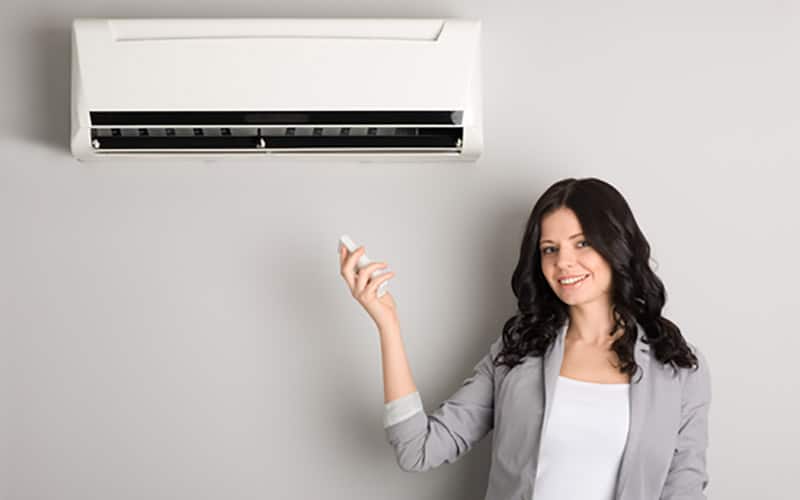
High wall mount: The most common and least expensive option. It mounts near the ceiling on an interior wall. Best for most residential applications.
Floor mount: Installs low on the wall near the floor. Slightly higher cost than a wall mount in some configurations. Best for rooms with limited high wall space.
Ceiling cassette: Mounts flush in the ceiling for a cleaner look. Significantly more expensive due to the ceiling framing and condensate pump required. Best for commercial spaces or specific residential situations where aesthetics are a top priority.
For most Baton Rouge homes, high wall mount units deliver the best combination of performance, cost, and easy maintenance access.
Single-Stage vs. Variable-Speed
Entry-level mini splits use single-stage or multi-stage compressors. These cost less upfront but run at fixed speeds, cycling fully on and off.
Variable-speed (inverter-driven) mini splits adjust their output continuously to match exactly what the room needs. In Baton Rouge’s humid climate, this matters a great deal. Variable-speed units run longer at lower speeds, which means the indoor coil stays cold for extended periods and pulls far more moisture out of the air. They also reach and maintain your set temperature more accurately without the temperature swings that come from cycling on and off.
Variable-speed systems cost $500 to $1,500 more per zone than fixed-speed alternatives, but they typically deliver better comfort and better efficiency in South Louisiana’s climate. Given how long cooling season runs here, the performance difference is noticeable.
Electrical Work
Every mini split requires a dedicated electrical circuit. Smaller 9,000 to 12,000 BTU units typically run on a standard 15-amp or 20-amp circuit. Larger units and multi-zone systems may need a 30-amp or higher circuit and a dedicated breaker at the electrical panel.
If your panel is older or already at capacity, panel work may add $300 to $1,500 or more to the total project cost. Your installer should evaluate this during the estimate.
Line Set Length and Routing Complexity
The refrigerant lines that connect the outdoor unit to each indoor head need to be run through walls or along exterior surfaces. Longer runs and more complex routing through finished walls or ceilings take more labor time and more materials. Simple installations with short line set runs cost less than jobs requiring long runs through finished spaces.
Brand and Equipment Quality
Mini splits from major brands like Mitsubishi, Daikin, Carrier, and American Standard cost more than budget alternatives, but they also come with better warranties, more reliable performance, and established parts availability for repairs down the road. For a system you plan to use daily for 15 to 20 years in Baton Rouge’s heat, equipment quality is worth factoring into the total value, not just the upfront price.
Single-Zone vs. Multi-Zone: Which Makes More Sense?
Single-Zone Mini Splits
A single-zone system pairs one outdoor unit with one indoor head. This is the right choice when you need to condition one specific space:
- A garage or workshop where ductwork is not permitted by code
- A home addition or converted room not connected to the existing duct system
- A sunroom that becomes unusable in summer
- A bedroom or home office that is always too hot or too cold despite a working central system
- A guest suite with its own comfort preferences
Single-zone systems are the most affordable entry point and can often be installed in a single day.
Multi-Zone Mini Splits
A multi-zone system connects one outdoor unit to multiple indoor heads, each controlling its own space independently. Multi-zone systems make sense when:
- You want to condition multiple rooms without connecting them to central ductwork
- Your home has no existing ductwork (common in older Baton Rouge homes built before central air was standard)
- You want the energy savings of only conditioning occupied zones
- You want individual temperature control in each room
One important consideration: when you add more indoor heads to a multi-zone system, you are sharing the outdoor unit’s total capacity. Your installer will size the outdoor unit to handle the combined load across all zones.
Is a Mini Split Cheaper Than Central Air in Baton Rouge?
The answer depends on your specific situation.
For whole-home coverage with good existing ductwork, central AC installation is almost always less expensive upfront than a multi-zone mini split covering the same square footage. However, a central system with leaky or poorly insulated ducts loses 20 to 30% of its cooling energy before it ever reaches your rooms. Duct sealing and duct repair can help, but duct losses are never fully eliminated.
For homes without ductwork, the comparison shifts significantly. Installing new ductwork in a finished home is expensive and invasive. A multi-zone mini split avoiding that work entirely often comes out ahead on total project cost.
For targeted applications (one room, one addition, one problem zone), a single-zone mini split almost always beats the alternative of extending or modifying an existing duct system.
Tax Credits and Rebates That Can Reduce Your Cost
High-efficiency mini split systems may qualify for federal energy efficiency tax credits. Currently, qualifying systems may be eligible for a credit of up to $600 per year under federal energy efficiency programs. Your installer can identify which specific models qualify, and it is worth confirming eligibility with a tax professional.
Entergy Louisiana and other utility providers serving the Baton Rouge area periodically offer rebates for high-efficiency HVAC equipment. Check with your provider before installation, as rebate programs change throughout the year.
Equipment manufacturers also run seasonal promotions. Ask your Southern Air technician which current promotions apply to the system you are considering. Combining a tax credit, a utility rebate, and a manufacturer promotion can meaningfully reduce what you pay out of pocket.
Financing Your Mini Split Installation
Southern Air offers flexible financing options so you can get the right system installed without waiting. Check our specials page for any current promotions.
Protect Your Investment After Installation
Once your mini split is installed, our Shield of Protection plan keeps it performing at its best year after year. Members receive seasonal tune-ups, priority scheduling, and 20% off any service calls.
For homes with both a central system and a mini split, our duct cleaning service and regular AC tune-ups help keep both systems running efficiently together.
Ready to Get a Quote for a Mini Split in Baton Rouge?
Southern Air has been serving the Baton Rouge area since 1984. Our team will assess your home, recommend the right number of zones and unit types, and provide upfront pricing with no hidden fees.
Call us at (225) 217-6224 or schedule a consultation online to get started.