
February 2021 is still fresh in the memory of a lot of Baton Rouge homeowners. Winter Storm Uri sent temperatures plunging into the teens across South Louisiana. Pipes froze and burst by the thousands. Ceilings collapsed. Floors were destroyed. Families came home to standing water.
That event was not supposed to happen here. But it did. And the homes that suffered the worst damage were the ones whose owners never considered frozen pipes to be a real risk in Louisiana.
This guide tells you exactly at what temperature pipes freeze in South Louisiana, why Baton Rouge homes are more vulnerable than you might think, and what to do before the next hard freeze arrives.
At What Temperature Do Pipes Freeze?
Pipes can begin to freeze when outdoor temperatures drop to 32 degrees Fahrenheit, but the serious damage risk starts at 20 degrees and below.
| Outdoor Temperature | Risk Level | Time to Freeze |
| 32°F | Low to moderate (uninsulated pipes at risk) | 12 or more hours |
| 20°F to 32°F | High (most exposed pipes at risk) | 6 to 12 hours |
| Below 20°F | Severe (even some insulated pipes at risk) | Under 6 hours |
These timelines shift based on wind chill, how long temperatures stay low, and where your pipes are located.
Here is the critical part for Louisiana homeowners: pipes in southern states freeze at higher temperatures than pipes in northern states. Homes in Minnesota or New York are built with pipe protection in mind. Pipes are in interior walls, insulated, and designed for sub-zero temperatures. Homes in south Louisiana were never built that way, because they never needed to be.
When the temperature hits 20 degrees in Baton Rouge, your pipes have almost no protection. A home in Rochester can handle a week at those temperatures. A Baton Rouge home can have burst pipes after a single overnight hard freeze.
Why Baton Rouge Homes Are More Vulnerable Than You Think
This is the part that catches most Louisiana homeowners by surprise.
In cold-climate states, building codes require that pipes be placed in interior walls, away from exterior surfaces. Attics are heavily insulated and sealed. Crawl spaces are enclosed and sometimes conditioned. Pipes are wrapped. All of this is standard because they need it.
In Louisiana, none of that was required or common practice. Why would it be? Baton Rouge averages only a handful of nights below freezing each year and almost never drops to dangerous lows. Builders here planned accordingly.
The result is that Baton Rouge homes frequently have:
- Pipes running through exterior walls with no insulation between the pipe and the outside air
- Pipes exposed in open crawl spaces with minimal protection from ground-level cold
- Attic pipes that receive no heat whatsoever during winter
- Outdoor hose bibs with no freeze protection
- Water heater connections in unheated garages or exterior utility rooms
When a hard freeze hits, these pipes have almost nothing standing between them and the freezing air.
Which Pipes in Your Baton Rouge Home Are Most at Risk?
Pipes in Exterior Walls
Any supply line running through a wall that faces the outside is vulnerable. This commonly includes:
- Pipes under kitchen sinks mounted on exterior walls
- Bathroom supply lines in exterior walls, especially on the north side of the house
- Pipes serving washing machines in laundry rooms on exterior walls
- Lines feeding outdoor hose bibs
These pipes may have only a few inches of drywall and siding between them and freezing air.
Pipes in Crawl Spaces
Many older Baton Rouge homes are built on crawl spaces. During a typical winter, the air under the house never drops cold enough to cause problems. During a hard freeze, that crawl space gets very cold quickly, especially with open foundation vents. Crawl space pipes were responsible for the majority of residential flood damage during Winter Storm Uri across south Louisiana.
Pipes in the Attic
Water lines that pass through the attic are highly exposed. Louisiana attic spaces are rarely heated and often have significant air gaps. During a sustained hard freeze, attic temperatures can approach outdoor temperatures.
Outdoor Spigots and Irrigation Lines
Hose bibs and irrigation connections are typically on the exterior skin of the house with no protection. Any water left in these lines during a freeze will freeze. Lines that were not drained before a cold event are at very high risk.
Pipes in Unheated Garages
If your home has plumbing running through an unheated garage, including laundry connections, utility sinks, or water lines for an outdoor kitchen, those pipes are exposed.
Warning Signs Your Pipes Are Already Freezing
If a hard freeze is underway and you catch these signs early, you may be able to thaw a pipe before it bursts.
No water from a faucet. If you turn on a tap and get nothing or only a trickle, a pipe supplying that fixture has likely frozen.
Unusual sounds from pipes. Banging, clanking, or gurgling when water is running elsewhere in the house can indicate ice forming and creating pressure in the line.
Frost on visible pipes. If you can see pipes in a crawl space, garage, or utility area and they have frost on the outside, they are at or near freezing internally.
Sudden drop in water pressure. If pressure drops significantly overnight during a freeze, ice may be partially blocking a supply line.
Act immediately on any of these. The gap between a frozen pipe and a burst pipe is sometimes only minutes.
What to Do If a Pipe Is Frozen but Has Not Burst
Step 1: Turn on the affected faucet. Even a trickle of moving water helps the thawing process and relieves pressure buildup in the line.
Step 2: Find the frozen section. Check the most vulnerable areas first: exterior walls, crawl space, attic, garage. The frozen section will feel extremely cold or have visible frost.
Step 3: Apply gentle, steady heat. A hair dryer, electric heating pad, or warm towels work well. Start at the faucet end and work toward the colder section. Never use an open flame. Torches and lighters can damage pipes and start fires inside walls.
Step 4: Keep heating until full pressure is restored.
Step 5: Call a plumber if you cannot locate or access the frozen section. Many frozen pipes are inside walls or under floors. Do not cut into walls without professional guidance. Our emergency plumbing team is available when you need immediate help.
What to Do If a Pipe Has Already Burst
Step 1: Shut off the main water supply immediately. Know where your main shutoff valve is before this happens. In Baton Rouge, it is typically near the water meter at the front of your property.
Step 2: Cut power to any affected areas. Water near electrical outlets, panels, or appliances is a serious safety hazard. Shut off the relevant breakers.
Step 3: Call for emergency plumbing service. A burst pipe is not a DIY repair. Water damage worsens by the minute.
Step 4: Document the damage for insurance. Photograph everything before cleaning up. Your homeowner’s insurance will want this documentation.
If you suspect hidden water damage inside walls or under flooring, our leak detection service uses specialized equipment to find moisture that is not visible. Baton Rouge homes built on slabs are also susceptible to slab leaks from freeze-related pipe damage, which require specialized repair.
How to Protect Your Pipes Before a Hard Freeze
Prevention is far less expensive and disruptive than repair.
Keep Your Heat On
Never turn your heat completely off during winter, even when you travel. The minimum safe thermostat setting for pipe protection is 55 degrees. During a forecasted hard freeze, keep it at 60 degrees or higher, especially overnight.
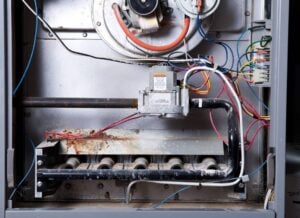
Your heating system needs to be in good working condition to protect your pipes. An annual heater tune-up before winter is the best way to make sure your system will not fail when you need it most. If your heat goes out during freezing temperatures, call our heating emergency line immediately.
Open Cabinet Doors Under Sinks
Pipes under kitchen and bathroom sinks on exterior walls benefit from the warmer room air. Keep those cabinet doors open during a hard freeze.
Let Exposed Faucets Drip
A slow drip from faucets connected to exterior wall pipes keeps water moving. Moving water is much harder to freeze than standing water. Focus on faucets on the north side of your home and any faucet you know is connected to an exterior wall.
Disconnect Outdoor Hoses
Disconnect all garden hoses before a hard freeze and drain the supply line to the hose bib. Water left in a connected hose can back up into the supply line and freeze.
Insulate Vulnerable Pipes
Foam pipe insulation is inexpensive and available at any hardware store. Wrapping exposed pipes in your crawl space, attic, and garage takes a few hours and can prevent thousands of dollars in damage.
Close Crawl Space Vents
Crawl space vents are designed for summer ventilation, not winter protection. During a sustained hard freeze, close them to reduce cold air circulation under the house.
Know Where Your Main Water Shutoff Is
Before any freeze event, every adult in your household should know where the main shutoff valve is and how to use it. In an emergency, the first 30 seconds matter.